
Oxide Cloud Services is proud to be part of Teraco’s Africa Cloud Exchange, giving enterprises a more direct, secure and flexible way to connect to cloud services across Africa’s digital ecosystem.
In enterprise cloud, performance is not only about where your applications live. It is also about how they connect.
For businesses running hybrid and multi-cloud environments, the network layer has become a critical part of the cloud strategy. Applications, workloads, users, data platforms and digital services all depend on reliable connectivity. When that connectivity depends entirely on the public internet, organisations can face unnecessary exposure to latency, performance variability and security concerns.
That is why Teraco’s Africa Cloud Exchange, known as ACX, is such an important platform for cloud-connected businesses. According to Teraco’s ACX Handbook, Africa Cloud Exchange improves enterprise hybrid and multi-cloud performance through direct interconnection, enabling secure, direct and flexible network connections to a wide range of local and global cloud service providers.
And now, Oxide Cloud Services is part of that ecosystem.
What is Africa Cloud Exchange?
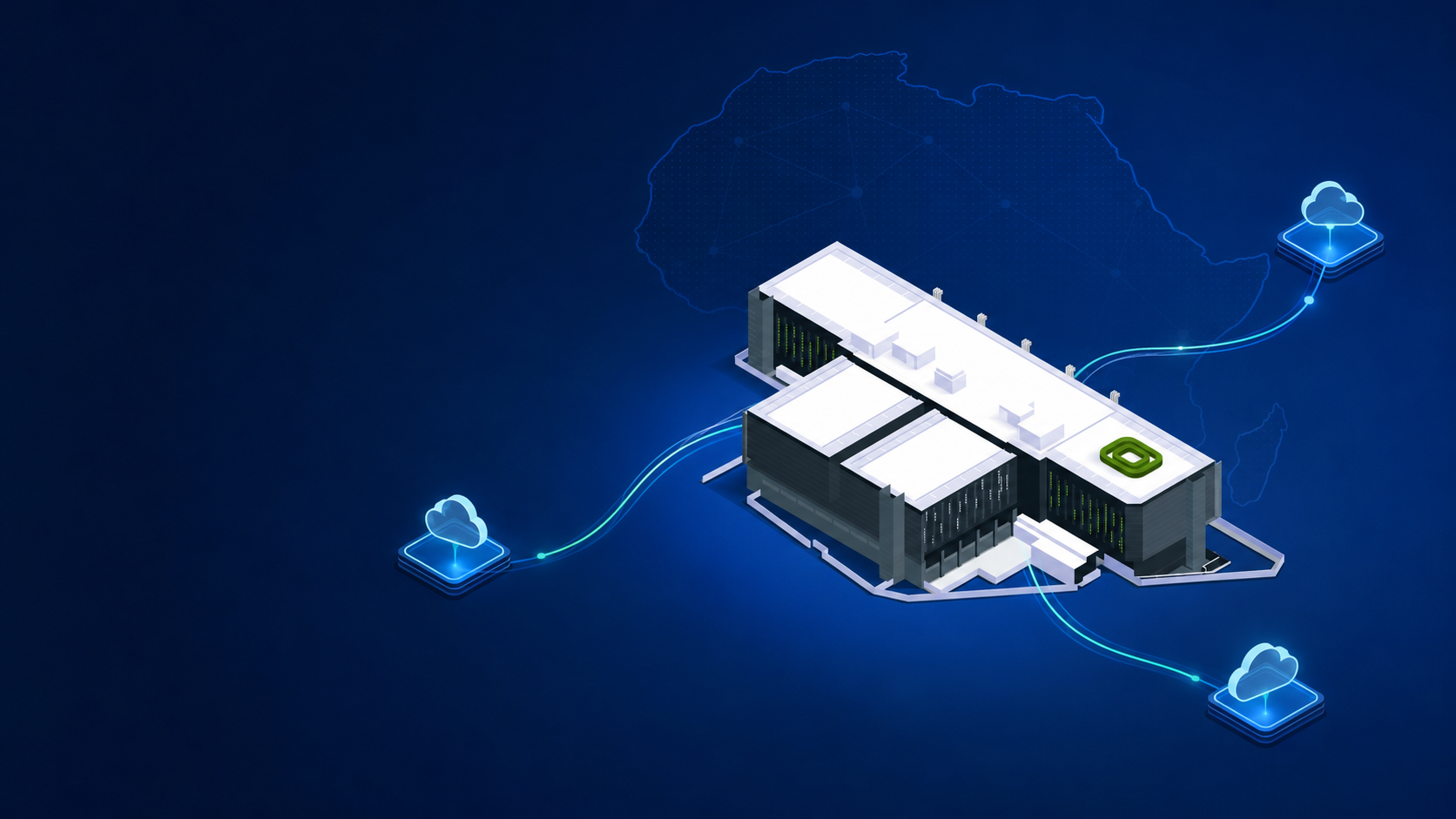
Africa Cloud Exchange is Teraco’s interconnection platform designed to help enterprises and cloud providers connect more efficiently within Africa’s most interconnected data centre hubs.
The platform allows enterprises to access the benefits of cloud without relying solely on the public internet. Through ACX, organisations can establish highly secure, direct interconnection to cloud services, while cloud operators gain direct access to African terrestrial fibre, satellite connectivity, submarine cables and an open interconnection market.
In practical terms, this means businesses can connect from within Teraco to cloud on-ramps in a way that supports:
- Hybrid cloud architectures
- Improved latency, network performance and security
- Greater interconnection flexibility through member-to-member connections
- Increased bandwidth
- Reduced costs
The ACX model also enables multiple virtual circuits to cloud providers and other networks from a single physical cross-connect, helping organisations optimise their hardware investment.
Why Direct Cloud Interconnection Matters
Cloud adoption has moved well beyond a simple hosting decision. Today, enterprises need cloud environments that can support business-critical applications, data platforms, analytics workloads, artificial intelligence initiatives, storage, disaster recovery and secure collaboration across distributed teams.
That requires more than “being in the cloud.”
It requires predictable, private and scalable connectivity.
Teraco’s ACX Handbook explains that organisations can use Africa Cloud Exchange to deploy hybrid and multi-cloud strategies by locating enterprise network infrastructure directly adjacent to cloud on-ramps. This interconnected network architecture can help improve cloud application performance, reduce latency, scale on demand, reduce network costs and deliver a better cloud experience to end users.
ACX also enables direct and private connectivity to major cloud ecosystems, including Microsoft Azure ExpressRoute, AWS Direct Connect, Google Cloud Connect and other local cloud providers. The handbook further highlights the ability to minimise security threats by using private connections to digital ecosystems and bypassing the public internet.
For enterprises, this is the difference between cloud that is simply accessible and cloud that is architected for performance.
Oxide Cloud Services on ACX
The Teraco ACX Handbook lists Oxide Cloud Services as available from Teraco Johannesburg JB1. It describes Oxide as the brand name of the cloud-native Platform as a Service offering hosted and managed by Data Sciences Corporation, powered by Jelastic PaaS Software.
The handbook further notes that Oxide Cloud Services solutions are designed to support a wide range of applications and workloads, from simple storage and compute tasks to complex data analytics and artificial intelligence projects. It also highlights the OCS focus on security, reliability and efficiency in helping businesses achieve their digital transformation goals with confidence.
For our customers, this means OCS is now positioned within an interconnection ecosystem that includes global and local cloud services, carrier connectivity and member-to-member exchange capabilities.
It also means businesses can think differently about how they connect to Oxide Cloud Services.
Instead of treating connectivity as an afterthought, enterprises can build cloud access into the architecture from the start, with direct interconnection sitting closer to the workloads, platforms and services that matter.
A Broader Cloud Services Platform for Modern Workloads
While the ACX Handbook identifies Oxide as a cloud-native Platform as a Service offering, the OCS value proposition extends across a broader cloud services portfolio.
OCS supports customers across services including PaaS, IaaS, EFSaaS, CoLocation, Consulting, BTaaS and S3 Storage. This gives organisations access to a flexible cloud services partner that can support different stages of their cloud journey, from infrastructure and storage through to managed platforms, backup, consulting and application-focused environments.
That flexibility matters because no two cloud journeys look exactly the same.
Some organisations need a platform to accelerate application deployment. Others need infrastructure capacity, secure storage, colocation, backup services or expert guidance on architecture and migration. Many need a combination of all of these.
OCS is built to support that reality.
What This Means for OCS Customers
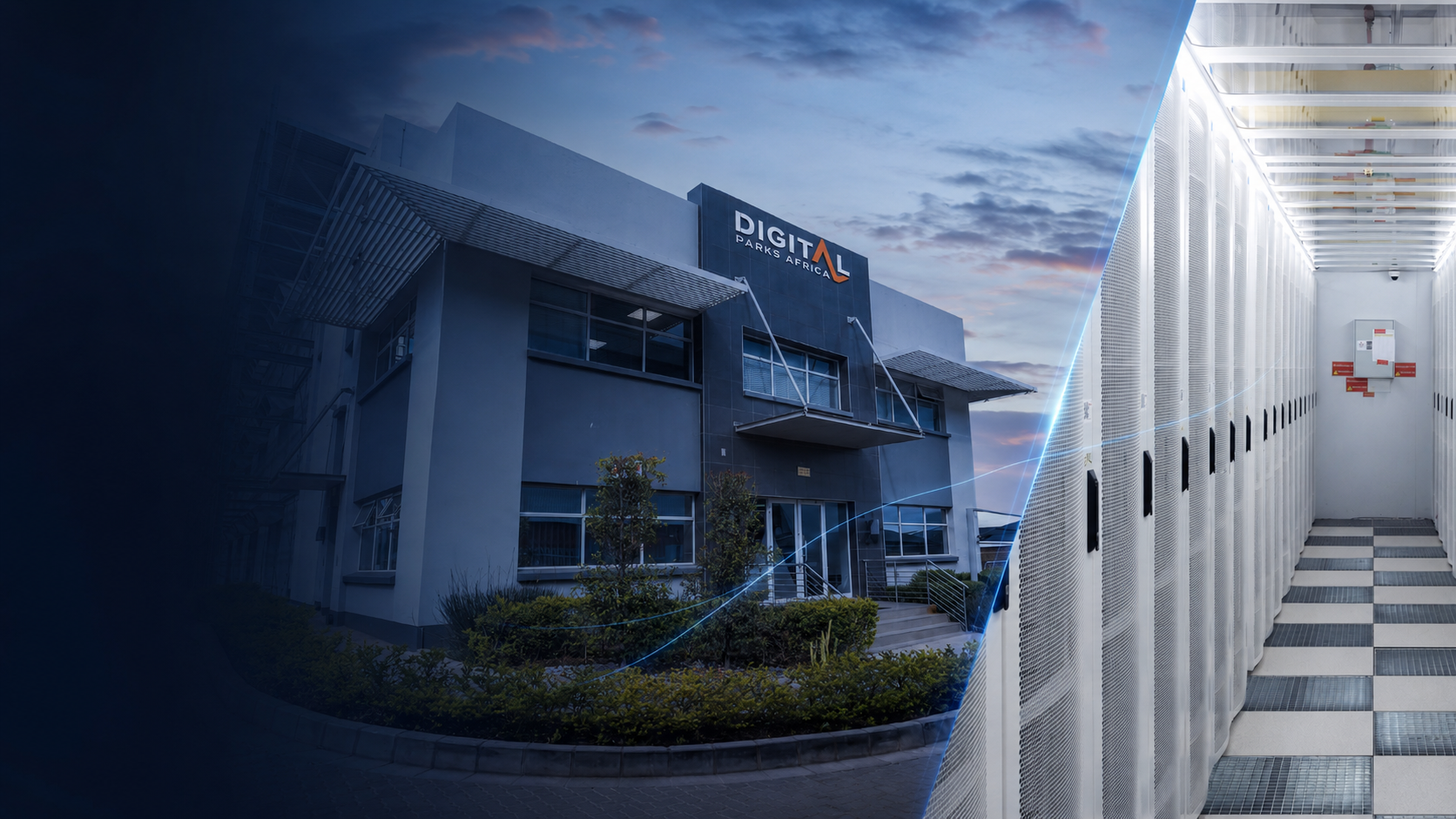
Becoming part of Africa Cloud Exchange strengthens the way OCS can support enterprise customers that need secure, direct and scalable cloud connectivity.
For businesses already operating within Teraco’s environment, ACX creates an opportunity to connect more directly into cloud ecosystems and cloud providers. For organisations designing hybrid or multi-cloud strategies, it provides a practical route to better performance, private interconnection and reduced dependency on the public internet.
For OCS customers, the benefits are clear:
- More direct access to OCS cloud services
- Better alignment with hybrid and multi-cloud strategies
- Stronger options for private connectivity
- Improved network performance potential
- Greater interconnection flexibility
- Access to a broader digital ecosystem within Teraco
The ACX Handbook also notes operational benefits such as instant virtual circuit turn-up, QinQ support on all virtual circuits, redundant infrastructure availability, one-port access to multiple parties, and month-to-month contracting.
In short, ACX helps make cloud connectivity more flexible, more efficient and more enterprise-ready.
Built for the Next Stage of Cloud in Africa
Cloud transformation across Africa is accelerating. Businesses are modernising applications, adopting data-driven platforms, improving resilience, and looking for cloud models that can support both innovation and operational control.
This next stage of cloud growth depends on more than capacity. It depends on ecosystems.
It depends on platforms, providers, networks and data centres working together to make cloud access more secure, more direct and more useful for the enterprises that rely on it.
Oxide Cloud Services being available through Teraco’s Africa Cloud Exchange is an important step in that direction.
It places OCS within a powerful interconnection environment and gives customers another way to access cloud services built around performance, security, reliability and efficiency.
Connect with Oxide Cloud Services
Whether you are building a hybrid cloud architecture, modernising workloads, improving resilience, or looking for a cloud partner that can support your digital transformation roadmap, Oxide Cloud Services is ready to help.
With OCS now part of Teraco’s Africa Cloud Exchange ecosystem, customers have a stronger pathway to secure, direct and flexible cloud connectivity.
Explore Oxide Cloud Services solutions and speak to our team about how we can support your next stage of cloud transformation.

